Tick bite: What symptoms should alert you?
Tick bites are a common sight in many parts of the world, especially in forested and grassy areas. But not every tick bite is harmless. Some can cause serious health problems. In this article, you'll learn what symptoms may indicate a serious condition, what to do after a tick bite, and how to avoid future bites.
Symptoms of a tick bite
Most tick bites are harmless at first and only cause minor symptoms such as redness, swelling or itching at the bite site. These symptoms are normal and not a cause for concern. However, there are certain signs that should alert you:
- Spreading redness: If the redness around the bite site spreads and gets bigger, it could be a sign of Lyme disease, a tick-borne illness.
- Flu-like symptoms: Fever, headache, fatigue and aching limbs after a tick bite can be symptoms of infection.
- Paralysis or feeling of weakness: In rare cases, ticks can transmit neurotoxic substances that can lead to paralysis, especially in the facial area.
- Cardiac arrhythmia: Some tick species can transmit pathogens that cause cardiac problems.
- Erythema migrans: This is a clear sign of Lyme disease. It is a red skin rash, often described as a “bull's-eye”.
What to do after a tick bite?
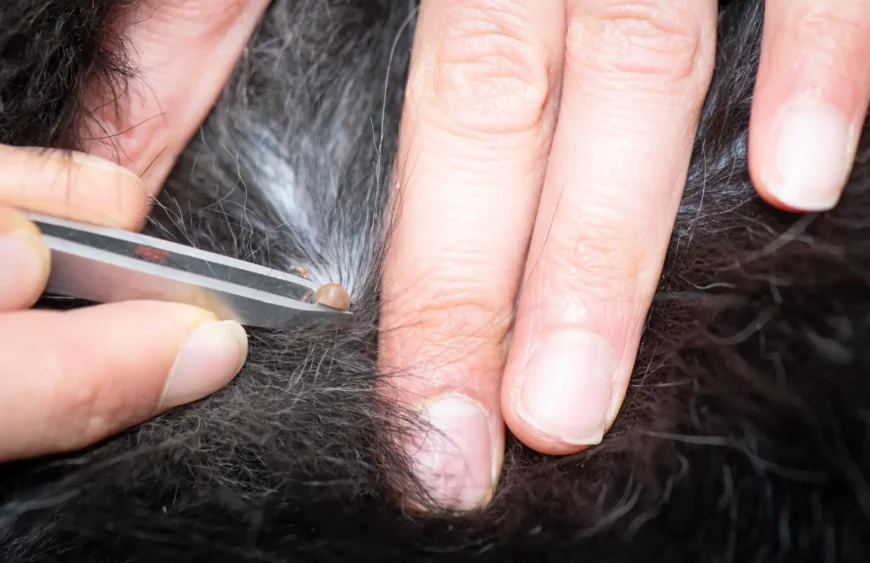
If you have been bitten by a tick, it is important to remove the tick as quickly as possible. Use tweezers and grasp the tick as close to the Tops. Pull it straight out without twisting to avoid the head getting stuck in the skin.
After removing the tick, you should clean and disinfect the bite site with soap and water. Monitor the site over the next few weeks for signs of infection or other unusual symptoms and seek medical attention if necessary.
Prevention of tick bites
The best way to prevent the complications of tick bites is to prevent the bite itself. Here are some tips:
- Use insect repellents, that contain DEET, picaridin or lemon eucalyptus oil.
- Wear long-sleeved shirts and long pants, especially if you are traveling in wooded or grassy areas.
- Examine your skin and clothing for ticks after being outdoors.
Conclusion
Although most tick bites are harmless, it's important to be alert for symptoms that could indicate a more serious illness. Early detection and treatment can prevent long-term health problems. Stay alert and protect yourself from ticks to enjoy a carefree time outdoors.
We hope this article was helpful. Share your thoughts or experiences with tick bites in the comments below. Your feedback and stories can help others be better prepared.
Tags: tick bite, symptoms, Lyme disease, infectious diseases, tick protection, tick bite prevention, erythema migrans, health, outdoor safety, insect repellent