Colloidal silver is a product that has been valued for centuries for its antibacterial properties. It consists of tiny silver particles suspended in distilled water. The uses of colloidal silver range from supporting the immune system to treating various skin conditions. But to fully enjoy its benefits, it is important to dilute and apply it correctly. In this article, we will look in detail at how to dilute colloidal silver, supported by background information, application examples, scientific studies and expert testimony.
History of colloidal silver
Colloidal silver has been used as an antimicrobial agent since ancient times. Historical records show that the ancient Egyptians, Greeks and Romans used silver in various forms for wound healing and water purification. In the late 19th and early 20th centuries, the use of colloidal silver as an antibacterial agent in medicine experienced a heyday before being pushed into the background by the development of modern antibiotics. In recent decades, however, colloidal silver has experienced a renaissance, particularly in alternative medicine.
Scientific basics
Colloidal silver works by releasing silver ions that can damage bacterial cell walls and disrupt bacterial reproduction. The effectiveness of colloidal silver depends on the size and concentration of the silver particles. Scientific studies have shown that colloidal silver can be effective against a wide range of bacteria, including some antibiotic-resistant strains.
Dilution of colloidal silver
Diluting colloidal silver is an important step to ensure its safety and effectiveness. The correct concentration depends on the application. Here are general guidelines for dilution:
- Determine initial concentration: Check the concentration of the colloidal silver you purchase. This is often between 10 and 30 ppm (parts per million).
- Set dilution target: For most applications, dilution to 5 to 10 ppm is recommended. For external use, a higher concentration may be appropriate, while for oral use, a lower concentration is safer.
- Calculating the dilution: To achieve the desired concentration, the following formula can be used: (Initial concentration x volume of starting product) / Desired concentration = Total volume of solution required.
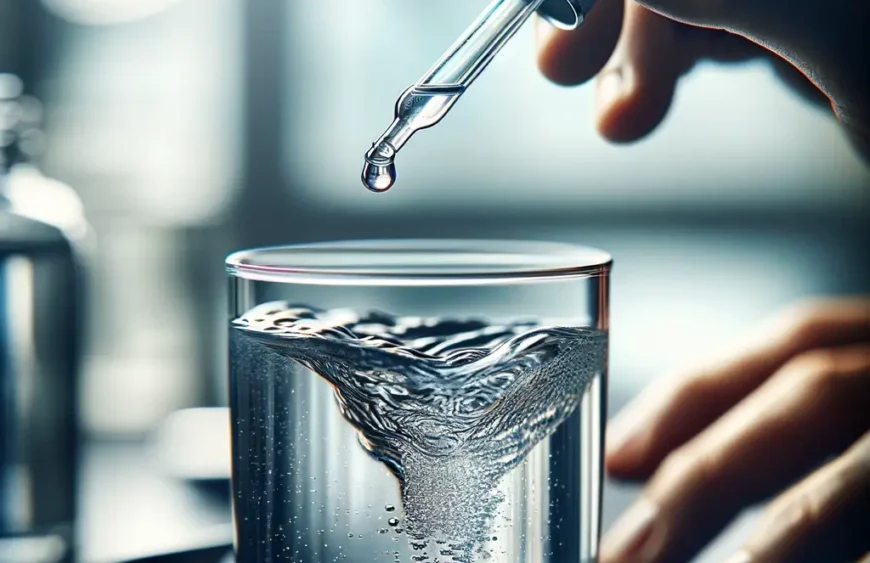
- Dilution process: Always use distilled water for dilution to avoid contamination. Mix the colloidal silver with the distilled water according to your calculation.
- Storage:: Store the diluted solution in a dark glass container to maintain the stability of the silver particles.
Practical application examples
- Immune support: Daily intake of a diluted solution of 5 ppm can support the immune system.
- Skin care: In case of skin irritations or small wounds, a solution of 10 ppm can be applied directly to the skin.
Scientific studies and expert opinions
Studies have confirmed the antimicrobial efficacy of colloidal silver; however, experts also emphasize the need for correct dilution and application to avoid side effects. Dr. James Collins, a microbiologist, explains: “Colloidal silver can be a useful agent against bacteria, but accurate dosage is crucial.”
Future prospects
Research into colloidal silver and its applications is ongoing, and there is great interest in further exploring its efficacy and safety, particularly in combating antibiotic resistance.
FAQ
- Is it safe to take colloidal silver? Taking colloidal silver in small amounts and low concentrations is considered relatively safe, but long-term use should be avoided.
- Can colloidal silver replace antibiotics? Colloidal silver may be an alternative to antibiotics in some cases, but should not be considered a complete replacement, especially in severe bacterial infections.
Conclusion and invitation
Diluting and using colloidal silver requires care and understanding of its properties and mode of action. By following proper dilution procedures, the safety and effectiveness of this ancient remedy can be maximized. Share your experiences with colloidal silver in the comments. Have you used it before? What results have you had?