
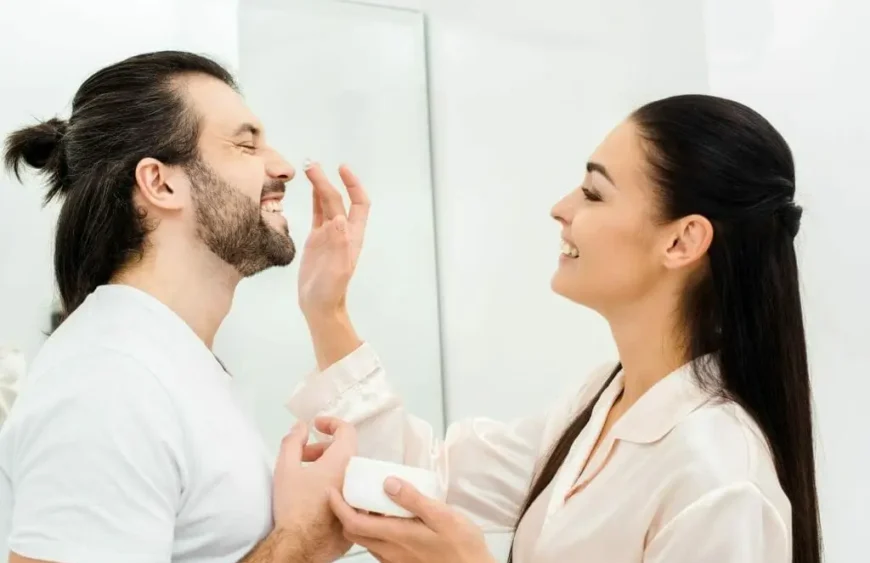
Discover the magic of DIY skincare with this simple guide! In our hectic daily lives, it's often difficult to find time for yourself, so why not do something special for your skin and make your own DMSO face cream?
DMSO is an incredibly powerful ingredient that offers your skin a natural pampering treatment. With our instructions, you can make your own DMSO face cream and be confident that only the best ingredients are used. Forget expensive skin care products full of chemicals - with this DIY cream, you know exactly what you are giving your skin.
Our step-by-step guide will walk you through the process and explain how to use DMSO safely. You'll be amazed at how easy it is to create your own high-quality face cream! Allow your skin to reap the natural benefits of DMSO and give yourself the pampering you deserve.
Pamper your skin naturally today!
A step-by-step guide to making your own DMSO face cream
Are you tired of spending a fortune on skin care products that don't seem to work? Are you looking for a natural and effective solution to improve the health and appearance of your skin? Look no further than DMSO. This powerful ingredient has been used in medicine for years for its anti-inflammatory and pain-relieving properties. Now it's time to reap its benefits for your skin too. Skin care to use. In this step-by-step guide, we'll show you how to make your own face cream with DMSO. This cream will not only help relieve inflammation and redness, but will also moisturize and nourish your skin so it looks and feels its best. Say goodbye to harsh chemicals and look forward to a healthier, more radiant complexion. Let's revolutionize your skin care routine with DMSO together.
DMSO, or dimethyl sulfoxide, is an organic compound that has been used in medicine since the 1960s. It has anti-inflammatory, analgesic and antimicrobial properties that make it a popular agent in pain management and in the treatment of arthritis and other inflammatory conditions. But did you know that DMSO is also suitable for skin care?
DMSO can be used as a carrier for other active ingredients due to its ability to penetrate the skin. It can also reduce inflammation and moisturize the skin. For this reason, DMSO is often used in homemade skin care products, such as face creams or serums.
DMSO is a compound made up of sulfur, oxygen and carbon. It has a unique ability to transport other compounds into the skin, making it a popular ingredient in medicine and skin care.
When DMSO is applied to the skin, it quickly penetrates the tissues and cells, carrying other active ingredients with it. It can also reduce inflammation and swelling by increasing blood flow and reducing the body's immune response.
To make your own face cream with DMSO, you only need a few simple ingredients. Here is a list of the ingredients needed:
– 1/4 cup organic aloe vera gel
– 1/4 cup organic coconut oil
– 1 teaspoon of vitamin E oil
– 1 teaspoon DMSO
– A few drops of essential oil of your choice (optional)
1. Melt the coconut oil in a saucepan over low heat. Once completely melted, remove from heat and let cool until lukewarm.
2. Place the aloe vera gel in a bowl and add the lukewarm coconut oil. Mix the two ingredients thoroughly with a whisk or hand mixer.
3. Add the vitamin E oil and DMSO and stir well again.
4. If you want, you can add a few drops of essential oil to give your face cream a pleasant scent.
5. Pour the cream into a screw-top jar or other sealable container and store in the refrigerator. The cream will last for about a month.
To get the maximum effect from your DMSO face cream, there are a few tips you should keep in mind:
– Cleanse your face thoroughly before applying the cream to ensure your skin is clean and free of dirt and oil.
– Use the cream twice daily, morning and evening, for optimal results.
– Start with a small amount and gradually increase the amount to ensure that your skin tolerates the cream well.
– Avoid contact with eyes and mouth as DMSO may cause mild irritation.
Although DMSO is considered safe, there are a few precautions you should keep in mind:
– Avoid contact with synthetic materials such as plastic, as DMSO can dissolve these materials.
– Avoid using DMSO face cream if you are pregnant or breastfeeding.
– Avoid using DMSO face cream if you are allergic to sulfite.
– If you are using DMSO face cream for the first time, you should start with a small amount to make sure your skin tolerates the cream well.
Frequently asked questions about DMSO and skin care
Is DMSO safe for skin care?
Yes, DMSO is considered safe for skin care. It has anti-inflammatory, analgesic and antimicrobial properties that make it a popular ingredient in pain management and in the treatment of arthritis and other inflammatory conditions.
Can DMSO cause skin redness?
There have been reports of skin redness and mild irritation when using DMSO. If this is your first time using DMSO face cream, you should start with a small amount to make sure your skin tolerates the cream well.
Can I use DMSO with other skin care products?
Yes, DMSO can be used with other skin care products. It can be used as a carrier for other active ingredients to improve their absorption into the skin.
Can I use DMSO daily?
DMSO can be used daily, but should be discontinued if skin irritation or allergies occur.
How do I store DMSO cream?
DMSO cream should be stored in a cool, dark place to extend its shelf life.
What is DMSO cream good for?
DMSO cream is mainly used to relieve pain and inflammation. It can help with various ailments such as arthritis, muscle and joint pain, and sports injuries. DMSO also has the ability to improve the absorption of other substances through the skin, which is why it is often used in combination with other therapeutic agents.
Does DMSO ointment require a prescription?
In Germany, DMSO is not prescription-only and can be purchased freely. However, it is advisable to consult a doctor or pharmacist before use, as DMSO is available in different concentrations and can cause side effects if used improperly.
How does DMSO become liquid again? DMSO has a relatively high freezing point and can become solid at lower temperatures. To make it liquid again, simply place the bottle in warm water or leave it at room temperature until it has completely melted. Make sure the water is not too hot so as not to affect the quality of the DMSO.
How much does DMSO cost in the pharmacy? Prices for DMSO can vary depending on the concentration and packaging size. Typically, the cost of a bottle of DMSO (50 to 100 ml) is between 10 and 30 euros. It is advisable to compare different pharmacies and online shops to find the best deal.
Can you mix DMSO with coconut oil? Yes, DMSO can be mixed with coconut oil to create a soothing and nourishing blend. Coconut oil has anti-inflammatory and moisturizing properties that can complement the effects of DMSO. This combination is often used to treat skin irritations and improve skin health.
Can you mix DMSO with cream? DMSO can be mixed with various creams to improve their absorption and effect. Creams with healing and nourishing ingredients are particularly suitable. However, the mixture should be thoroughly tested, as DMSO increases the permeability of the skin and unwanted substances can penetrate deeper into the skin.
Can you mix DMSO with hyaluronic acid? DMSO mixes well with hyaluronic acid to increase skin moisture and improve elasticity. Hyaluronic acid binds water and ensures smooth and supple skin, while DMSO can enhance the penetration and effectiveness of hyaluronic acid. This combination is particularly popular in anti-aging care.
What are the experiences with DMSO against wrinkles? Experiences with DMSO against wrinkles are predominantly positive. Users report smoother skin and a reduction in fine lines. DMSO promotes blood circulation and can support collagen production, which leads to firmer skin. However, it is important to use DMSO carefully and in the right concentration to avoid skin irritation.
Does DMSO help against age spots? Yes, DMSO can help reduce age spots. Its anti-inflammatory and regenerative properties can promote skin renewal and fade pigmentation spots. Regular use is required for visible results and it should be used in combination with other skin lightening agents.
How to use DMSO against wrinkles? DMSO should be applied to the skin in a diluted form to combat wrinkles. It can be used pure or mixed with other nourishing substances such as aloe vera or hyaluronic acid. It should be applied to clean skin and it is important to choose a low concentration to avoid skin irritation.
Can you mix DMSO with aloe vera? Yes, DMSO can be mixed with aloe vera to create a soothing and healing skin care regimen. Aloe vera is known for its moisturizing and anti-inflammatory properties that complement the effects of DMSO. This blend can be used for skin irritations, sunburn, and general skin care.
What is DMSO pain ointment? A DMSO pain ointment combines DMSO with other pain-relieving and anti-inflammatory active ingredients. These ointments are often used for joint pain, muscle tension and inflammation. DMSO helps to transport the active ingredients deep into the tissue, which increases the effectiveness of the ointment and provides quick relief.
Success stories of people who have tried DMSO face cream
Many people have had positive experiences with DMSO face cream as it has helped soothe, nourish and moisturize their skin. Some users have also reported noticing improvement in acne, rosacea and other skin problems.
In addition to making your own DMSO face cream, there are other ways to incorporate DMSO into your skincare routine. You can use DMSO in the form of serums or toners, or as an ingredient in masks or scrubs.
DMSO (dimethyl sulfoxide) and hyaluronic acid
are two popular substances in skin care, especially for their moisturizing and healing properties. If you want to mix these two substances and apply them to your upper lip to reduce wrinkles, there are some important steps and precautions you should follow. Here is a guide:
Materials needed
- DMSO (in pharmaceutical quality)
- Hyaluronic acid serum (high quality and pure)
- Clean mixing containers (small glass bottles or plastic containers)
- Sterile pipettes or droppers
- Cotton swabs or cotton pads
- Distilled water (optional, for dilution)
Preparation
- Clean your face thoroughly: Before applying the mixture, make sure your skin is clean and free from makeup, oil and dirt. Wash your face with a mild cleanser and pat dry.
- Sterilize the materials: Make sure all materials used are sterile to avoid infection. You can sterilize the glass containers and pipettes in hot water or wipe them with alcohol.
Preparation of the mixture
- Mix the substances:
- Add a small amount of hyaluronic acid serum into the mixing container.
- Then add DMSO. A typical mix ratio might be 70% hyaluronic acid and 30% DMSO. You can adjust this ratio as needed, but it is important to start with a lower DMSO concentration to test the skin reaction.
- Mix well: Stir or shake the mixture gently until well mixed. Avoid direct contact with fingers to maintain sterility.
Application
- Test the mixture: Before applying the mixture to your upper lip, test it on a small area of skin (e.g. behind the ear or on the wrist) to make sure you do not have an allergic reaction.
- Apply the mixture: Use a sterile pipette or cotton swab to apply the mixture evenly to the folds of your upper lip, being careful not to get the mixture into the oral cavity.
- Let it move in: Leave the mixture on for about 15-20 minutes. You may feel slight tingling or warmth, which is normal. However, if you notice severe itching, burning or redness, you should wash the mixture off immediately.
- Rinse (optional): After the exposure time, you can wash off the mixture with lukewarm water or leave it on the skin if no irritation occurs.
Precautions
- Use high-quality products: Make sure you only use high-quality and pure products. Contaminated DMSO or low-quality hyaluronic acid can cause skin irritation.
- Observe skin reactions: Be alert to any adverse skin reactions and reduce the frequency of application or the concentration of DMSO if necessary.
- Do not exaggerate: Do not use the mixture more than once a day and observe how your skin reacts. Too frequent use may cause skin irritation.
The mixture of DMSO and hyaluronic acid can be an effective way to reduce wrinkles and hydrate the skin. With proper use and caution, you can achieve positive results. If you are unsure or notice any unusual reactions, consult a dermatologist.
Future prospects
Research into DMSO is far from complete. Future studies could reveal further applications and benefits of this versatile substance. DMSO promises exciting developments, especially in the area of anti-aging and regenerative skin care.
Practical examples and case studies
Example 1: Anti-Aging
Anna, 45, noticed early signs of aging, such as fine lines and a dull complexion. After three months of using a homemade DMSO face cream, she reported a significant improvement in her skin texture and a more radiant complexion.
Example 2: Acne treatment
Tom, 25, suffered from severe acne since his teenage years. By regularly using DMSO cream, he was able to significantly soothe his skin and reduce acne flare-ups.
Advantages and disadvantages of using DMSO in skin care
Benefits
- Deep penetration: Increases the effectiveness of other ingredients.
- anti-inflammatory: Reduces skin irritation and inflammation.
- antioxidant: Slows down skin aging.
Disadvantages
- odor: DMSO has a characteristic odor that may be unpleasant for some.
- Awareness: DMSO may cause skin irritation in some people, so a patch test is advisable before use.
Conclusion
DMSO is a versatile ingredient that is widely used in medicine and skin care. It has anti-inflammatory, analgesic and antimicrobial properties that make it a popular ingredient in pain management and in the treatment of arthritis and other inflammatory conditions. When it comes to skin care, DMSO can reduce inflammation, hydrate and nourish the skin. With this step-by-step guide, you can make your own DMSO face cream and look forward to healthy, glowing skin.
Share your experiences with DMSO face cream in the comments below! Do you have your own recipes or tips? Let us know how DMSO has changed your skin care routine.
Users also searched:
DMSO, hyaluronic acid, wrinkle reduction, skin care, upper lip wrinkles, anti-aging, skin tightening, natural skin care, wrinkle treatment, skin care routine, DMSO application, hyaluronic acid serum, DIY skin care, mixing ratio, skin hydration, facial cleansing, skin reactions, anti-wrinkle agent, lip care, dermatology



Beatrix Kawelis
June 22, 2024 at 6:45 amI want to mix DMSO with hyaluronic acid for my upper lip, which already has wrinkles. How do I do that?
Nature Total Team
June 22, 2024 at 7:47 amThank you, good point.
DMSO (dimethyl sulfoxide) and hyaluronic acid are two popular substances in skin care, especially because of their moisturizing and healing properties. If you want to mix these two substances and apply them to your upper lip to reduce wrinkles, there are some important steps and precautions you should follow. Below in the article is a guide:
Emmanuelle Bussières
November 1, 2025 at 4:48 pmHi..thaught that dmso could be mixed with oil. But..it seems not so much..my butter and oil salve mixed with 30% dmso. The mixes have kind of water coming out and everything gets grainy. Help?
Nature Total Team
November 3, 2025 at 10:27 amDear Emmanuelle,
Thank you so much for your message!
You're right – DMSO is difficult to mix directly with fatty substances like butter or oil. The reason is that DMSO is water-loving (hydrophilic), while oils are fat-loving (lipophilic). This often leads to an unstable, grainy, or phase-separating mixture, especially at higher DMSO concentrations.
If you want a stable and well-tolerated application, we recommend our ready-made DMSO cream – it is already optimally formulated, without water settling or lumps forming.
If you have any further questions, we're happy to help!
Kind regards
Your Nature Total Team
Chris
November 10, 2025 at 9:11 amHello,
Est-il sain de se maquiller 12h après application d'une crème au DMSO? Crème appliquée on the evening bed and makeup on the matin suivant?
Thank you for your reply.
Nature Total Team
November 11, 2025 at 10:55 pmHello Chris,
Thank you for your question that is really pertinent!
The DMSO is a substance that penetrates rapidly into the skin and transports other molecules (and comprising impurities or chemical products) directly into the organism. This is very important for the application of a potentially irritant or toxic substance on the skin that DMSO is active.
Cela dit, si la crème a été appliquée le soir et que vous vous maquillez environron 12 heureures plus tard, the effect of DMSO is in general significant réduit - mais pas nécessairement nul, surtout si la peau is still sensitive or irritated at this point.
Par précaution, our recommandons:
Attend a minimum of 8 to 12 hours between the application of DMSO and the use of makeup.
The two nets of the peau au réveil have a nettoyant doux avant de vous maquiller.
D'éviter tout maquillage content des substances agressives, parfums ou conservateurs puissants.
If you confirm the rougeurs, the picotements or a safe accrue, the various spacers of the applications or adapters of your routine.
N'hésitez pas à revenir vers nous pour d'autres questions ou returns d'expérience !
Sincerely,
L'équipe de Natur Total
Jackie Maysonet
November 19, 2025 at 1:13 amHow to prepare DMSO for the rosacea in the cara?
Nature Total Team
November 19, 2025 at 2:45 amDear Jackie,
Gracias por tu consulta sobre el uso del DMSO para la rosácea en el rostro.
The DMSO (dimetilsulfóxido) is a substance that has the object of interest in alternative applications. Sin embargo, it is not a conventional cosmetic product in Europe, it has not been tested as a medication. Originalmente for desarrollado como dissolvente químico y su uso sobre la piel, especialmente en zones sensitives like el rostro, debe hacerse with extremea precaución.
Important:
For legal reasons, no part of the medical asesoramiento specífico ni reccomendaciones sobre proportions de preparación. Ten en cuenta que el DMSO que ofrecemos es a producto destinado únicamente a fines técnicos or de investigación científica, y not está autorizado para uso internal ni external en seres humanos. This application is based on the propia responsabilidad del usuario.
If you have a rosácea and other problem of the skin, you will agree to a dermatological or therapeutic treatment with alternative medicine experience for recibir and valoración seguración y personalizada.
Gracias for your comprension. These are general preguntas sobre nuestros products, they are encantados de ayudarte.
With kind regards,
The teamo de Natur Total